
A Lynx and a Thousand Bee-eaters – Spring in Doñana
April 2022, Andalusia: Doñana National Park between Seville and the Atlantic is Europe's most famous wetland — and the last stronghold of the Iberian lynx. Four days between marismas, dunes and pine forest, with bee-eaters in courtship mode and one encounter nobody dares to hope for.
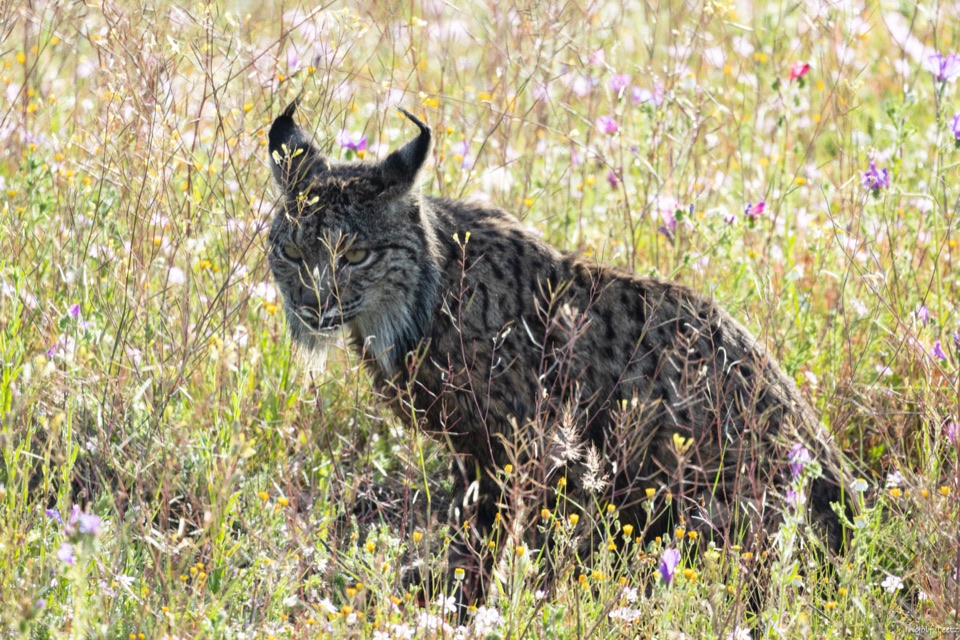
The most improbable moment first
At the turn of the millennium fewer than 100 Iberian lynx were left in the world; today, thanks to an unprecedented conservation programme, the population is back above a thousand, and Doñana is one of its core areas. Even so, you do not plan a sighting — it happens to you. Ours happened at the edge of a sandy track: a lynx ambling through the flowering meadow, pausing briefly, showing us its ear tufts, and melting back into the scrub. Less than two minutes, once in a lifetime.
Courtship season at the bee-eater colony
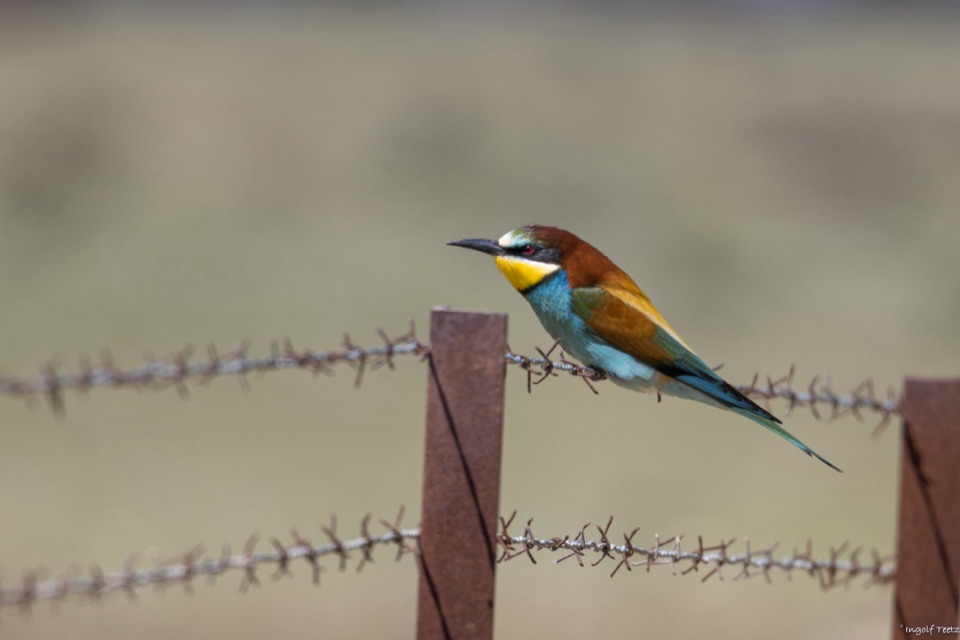
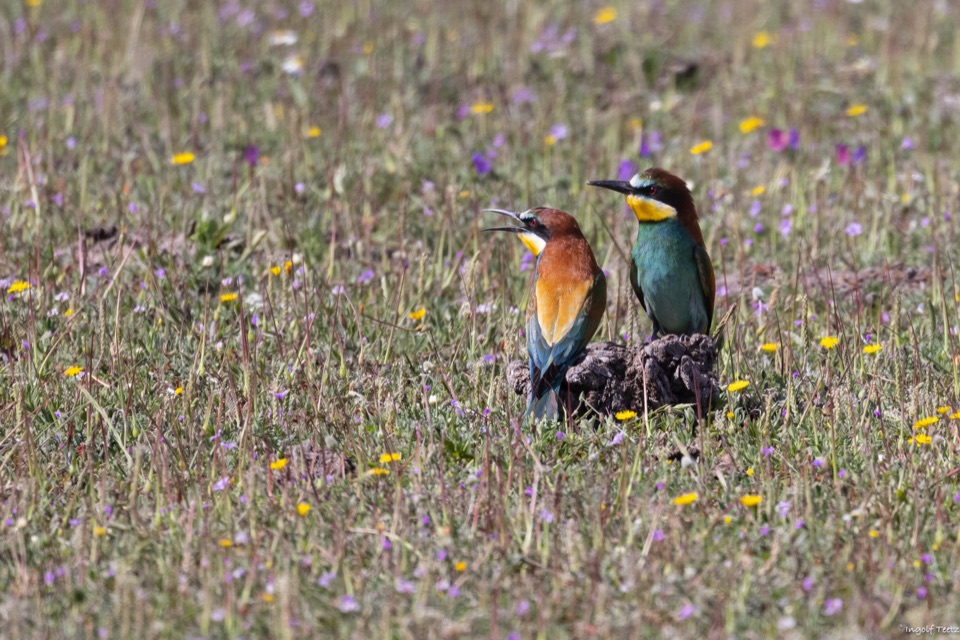
The reliable star of the Doñana spring is another bird entirely: in mid-April the bee-eaters return from Africa and take over their breeding colonies in the sandy banks. Then the pairs sit on barbed wire and sand mounds, hand each other insects as engagement gifts and dig at their burrows — colour photography in the literal sense, so saturated that there is nothing left to add to the RAW.
Marismas: spoonbills, ibises, azure-winged magpies
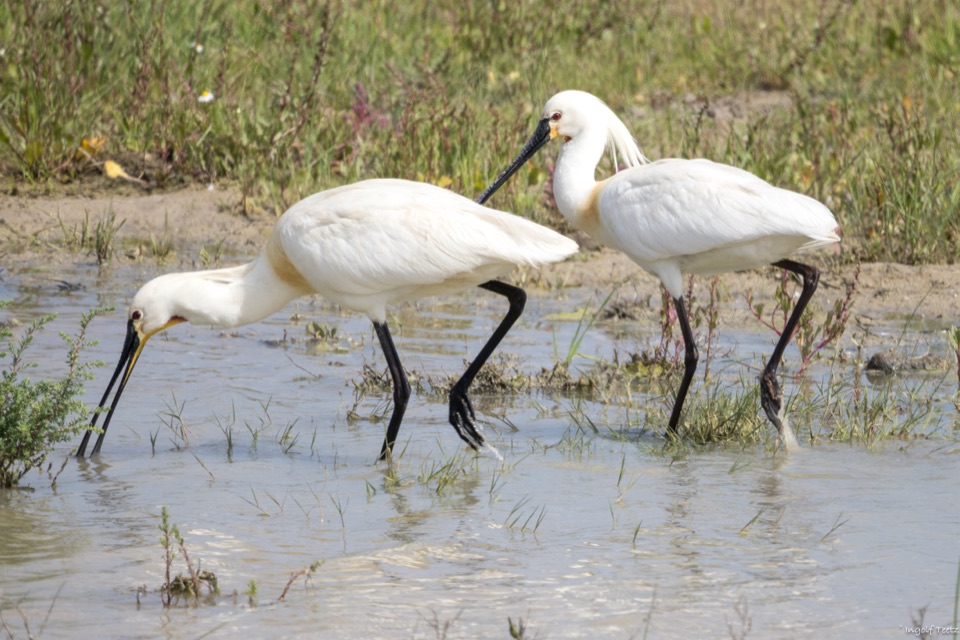
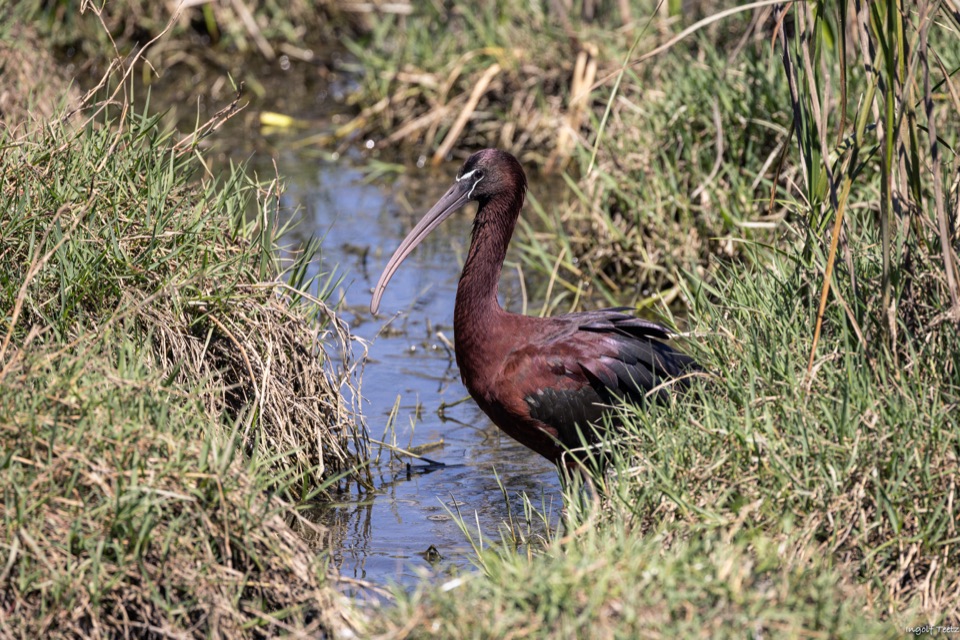
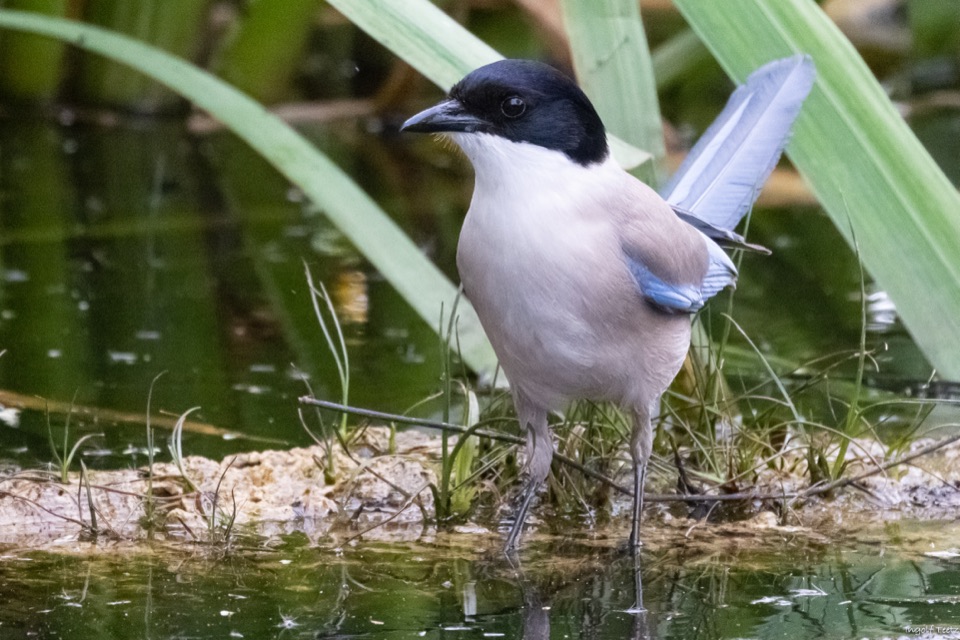
In the marismas — the floodplains of the Guadalquivir — one wading bird follows the next: spoonbills scythe their bills through the shallows, glossy ibises shimmer metallic in the reeds, with purple swamphens, stilts and purple herons in between. And at the picnic sites under the pines waits another Iberian speciality found nowhere else in Europe: the azure-winged magpie.
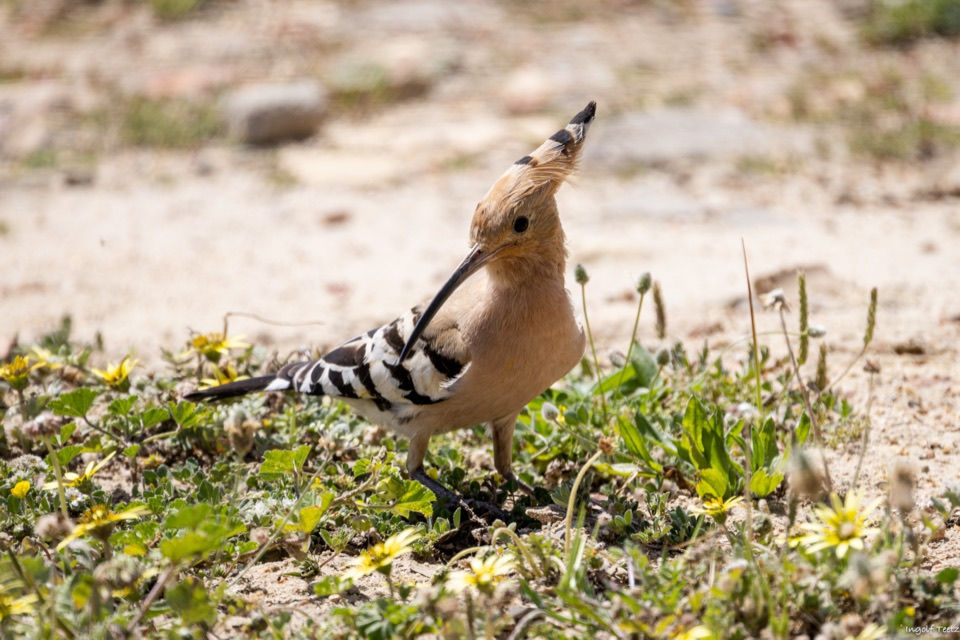
The gear: the world's lightest 800
Doñana 2022 was the trip of the RF 800 mm f/11 on the Canon EOS R5: a one-kilogram prime that sits in the hand all day, and whose fixed aperture rarely matters in Andalusian light — almost everything from the bee-eaters to the lynx was shot with it. Fixed f/11 just means: watch the ISO. In the sun it stays three-digit, in the pine shade it goes five-digit, and modern denoising handles both. The RF 100-500 mm served as the flexible second. And the cards? Reviewed in the evening, as always — today RAWFetcher takes over the moment the card goes in.
More field reports
Vultures in Monfragüe, sperm whales in the Azores, grizzlies in British Columbia — all field reports on the blog.