
Humpbacks, Bald Eagles, Milky Way – Atlantic Canada
August 2023, three weeks in eastern Canada: from the St. Lawrence to the Atlantic provinces. On the programme: humpback whales offshore, bald eagles on ochre-coloured cliffs, common loons on still lakes — and nights dark enough for the Milky Way. The field report from the earliest leg of our Canada series.
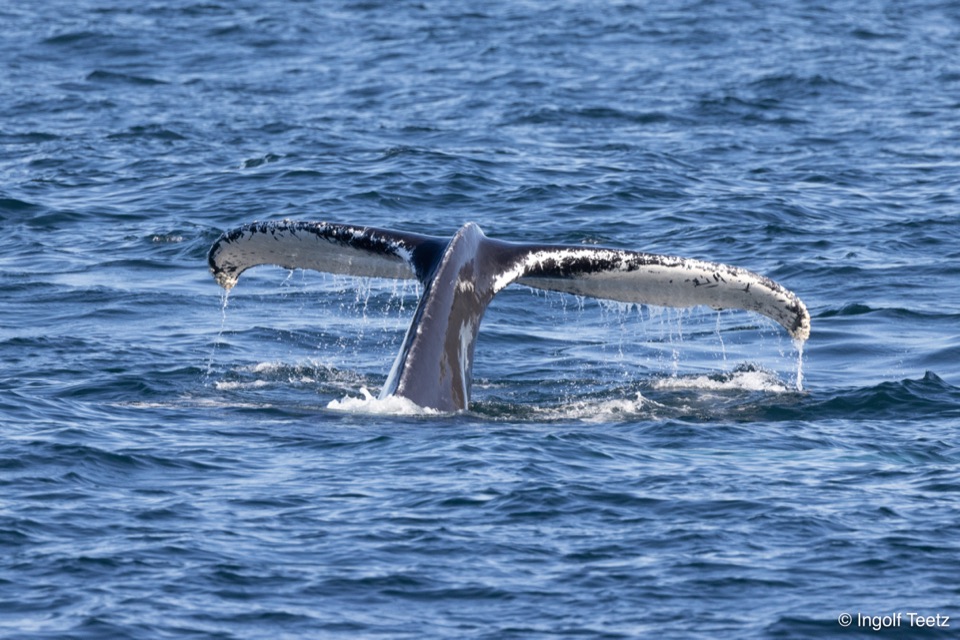
On the water: whales, seals, puffins
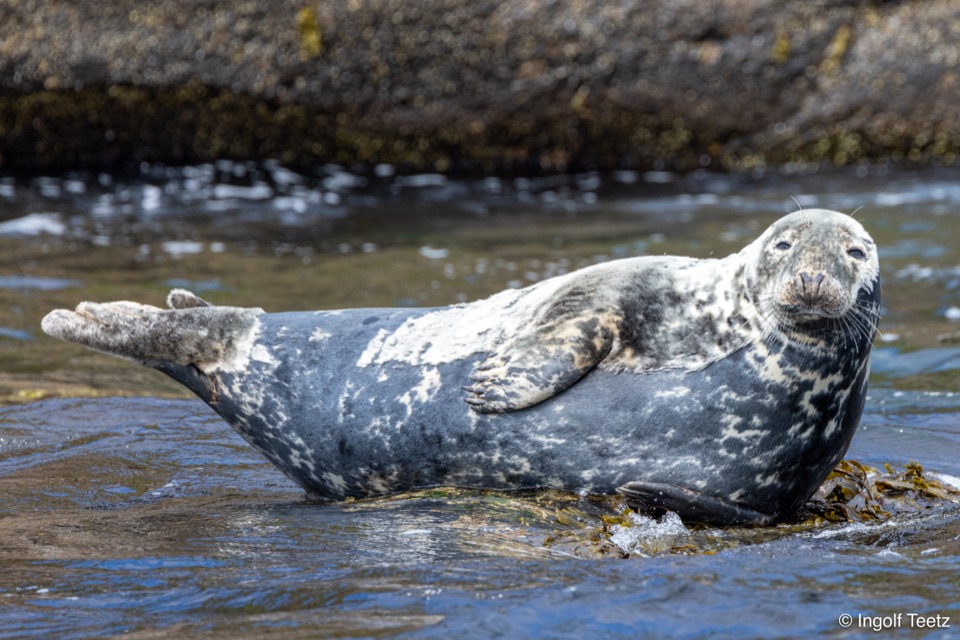
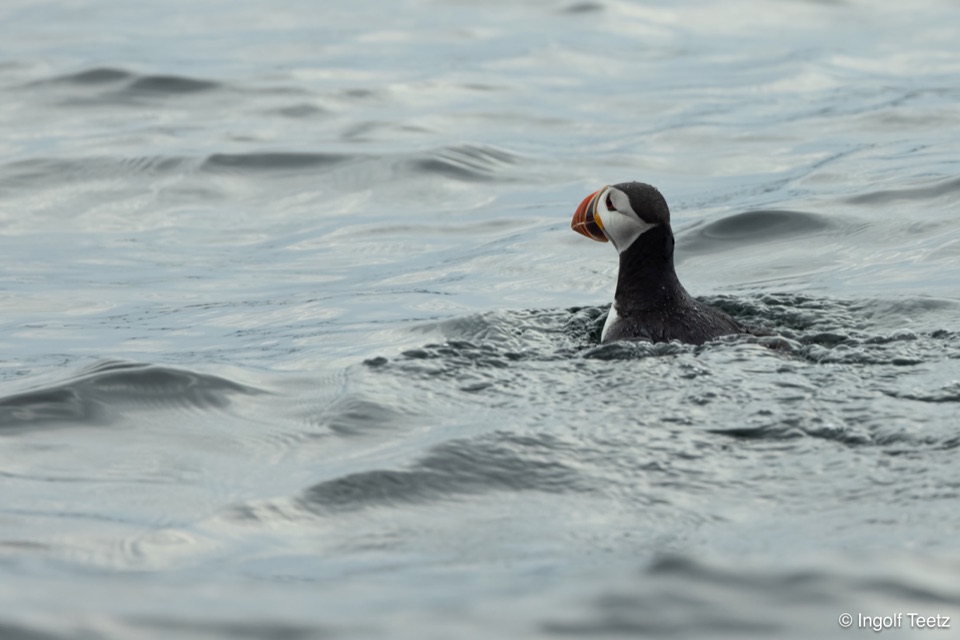
Whale tours in the east feel different from the Pacific: colder water, wider horizons, and between the big humpbacks there are constant smaller surprises — grey seals sizing up the boat, and swimming puffins bobbing on the swell. For the flukes, the proven recipe applies: keep the camera up, because only a few breaths separate the blow from the dive.
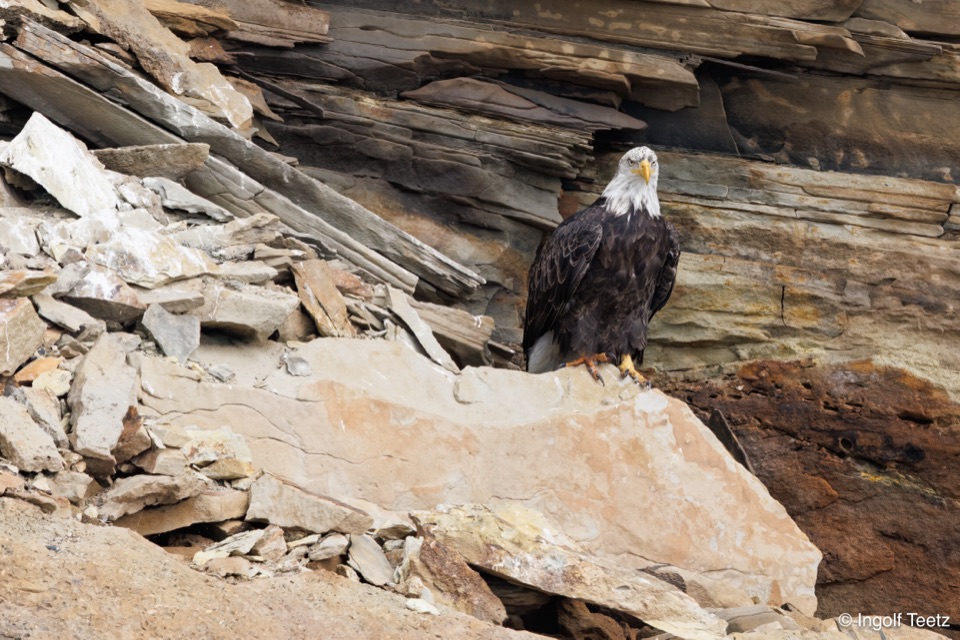
The eagles of the ochre wall
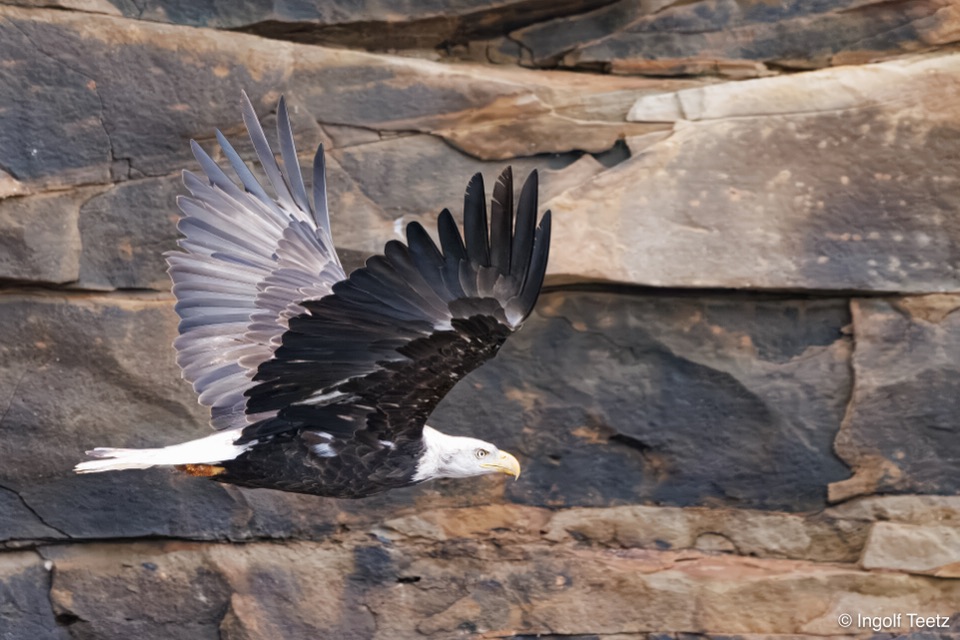
The wildlife highlight of the trip came by boat along a sea cliff of rust-red sedimentary rock: bald eagles perched on the ledges as if on balconies — and gliding along the wall when they took off. Against the textured ochre the white heads look spot-lit; dusk took care of the high ISO values, burst mode took care of the rest.
Still lakes, dark nights
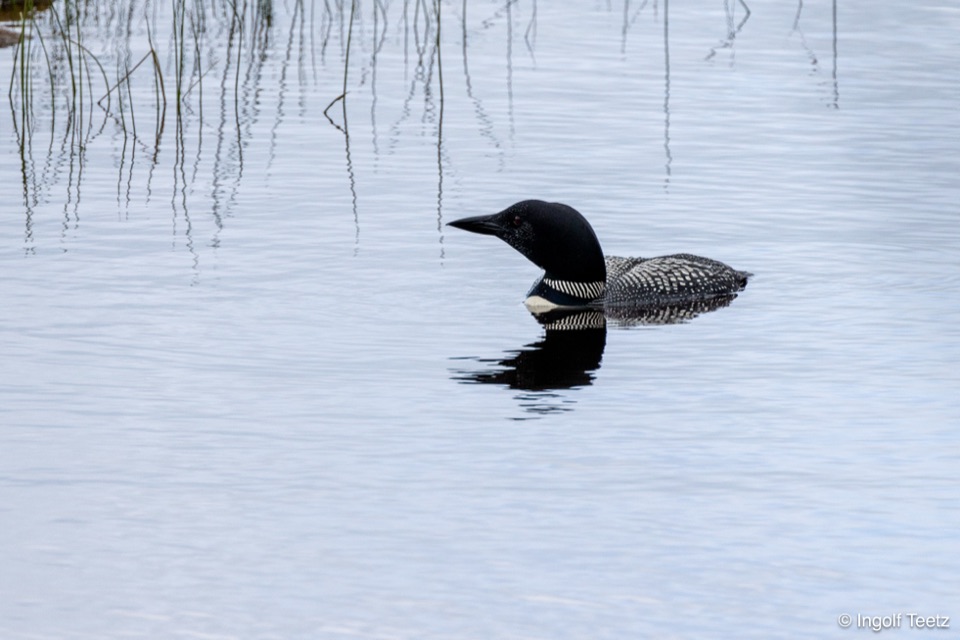
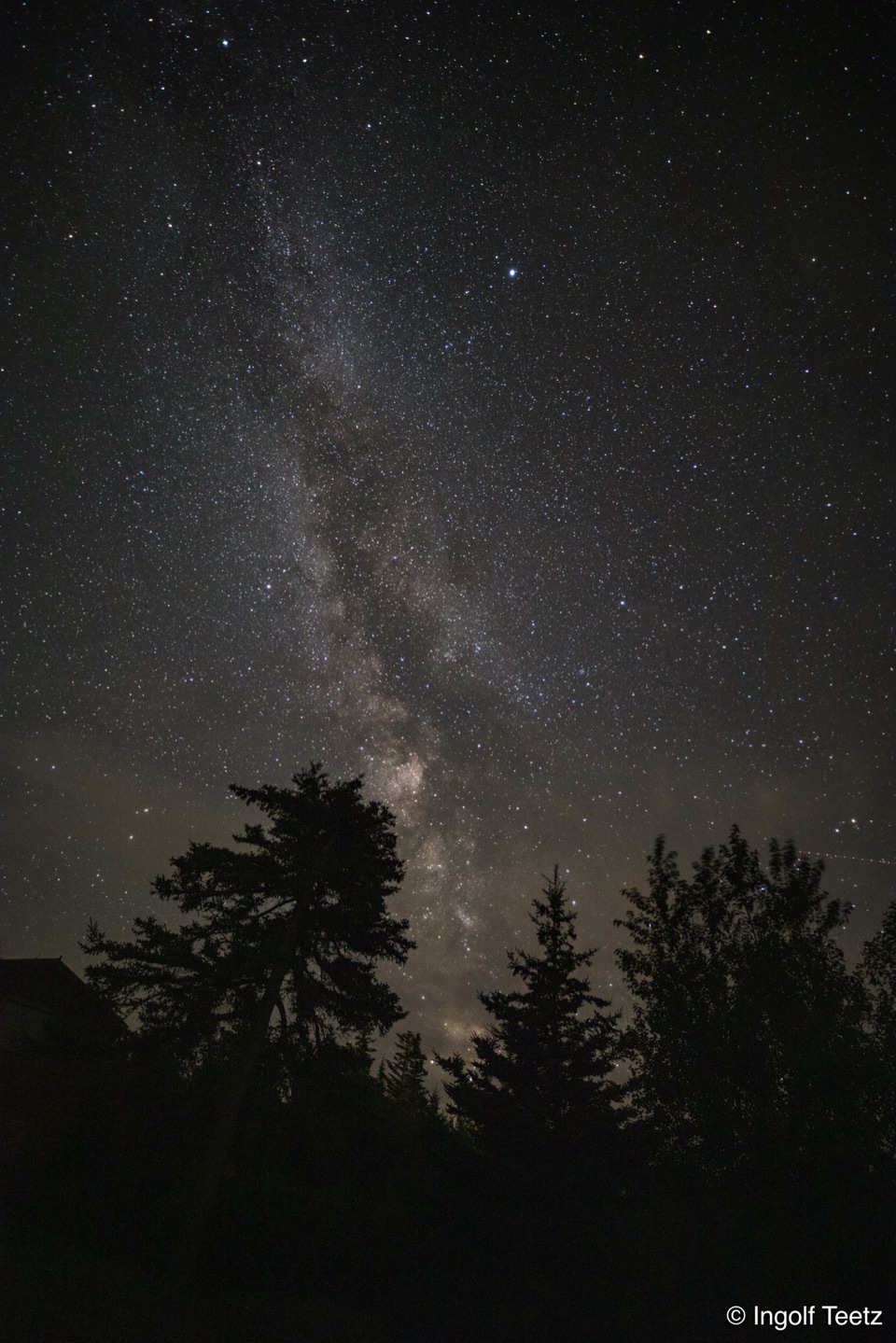
The counter-programme to the boat days came from the inland lakes: common loons, whose calls carry across the water in the evening — arguably the most Canadian sound there is. And once the sun was gone, the sky took over: far from the cities it gets dark enough that the Milky Way stands there for the naked eye, and the camera only has to point at it.
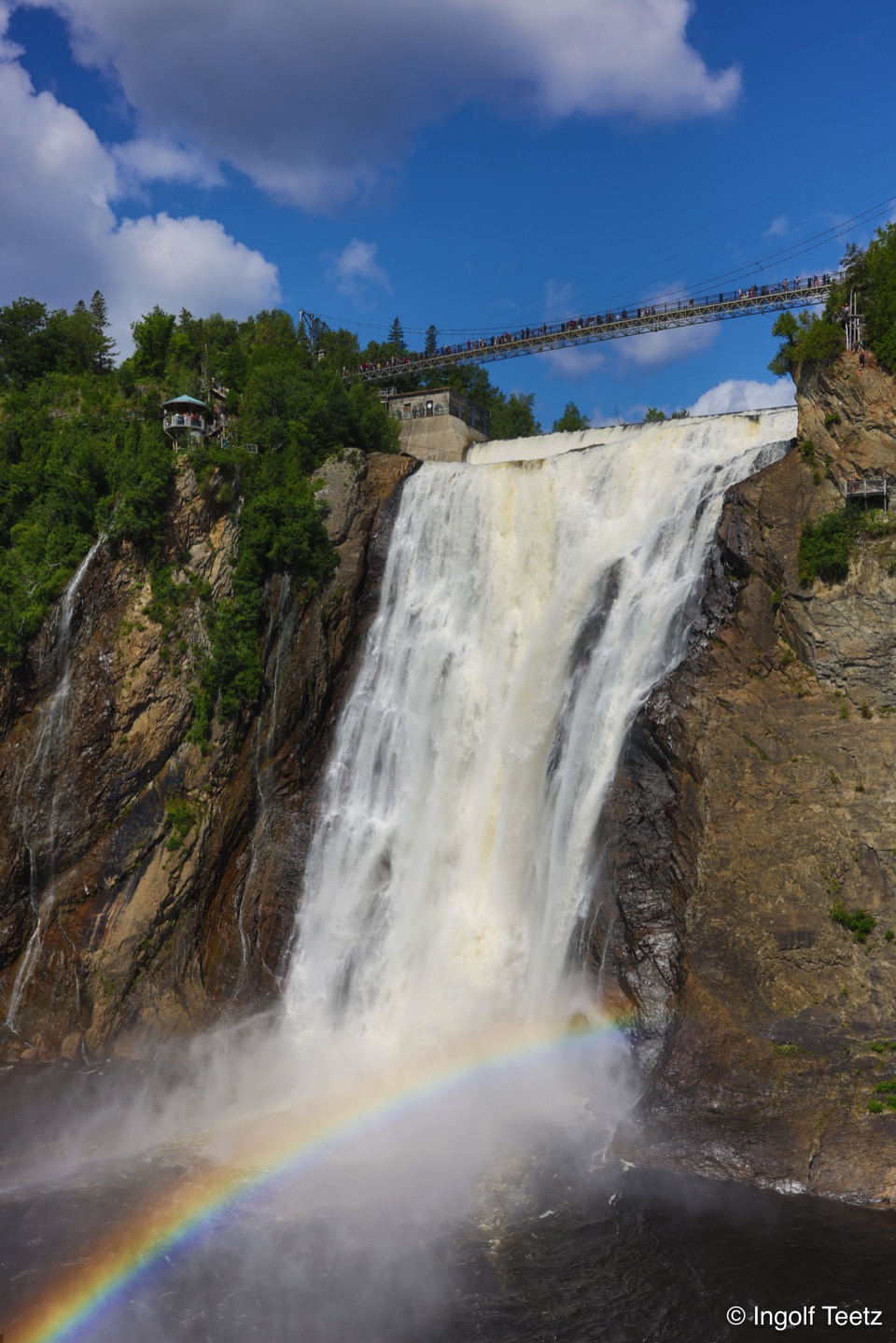
And since the way east led through Québec, one classic postcard came along too: Montmorency Falls, 83 metres tall — rainbow included.
To finish: street art in Montreal
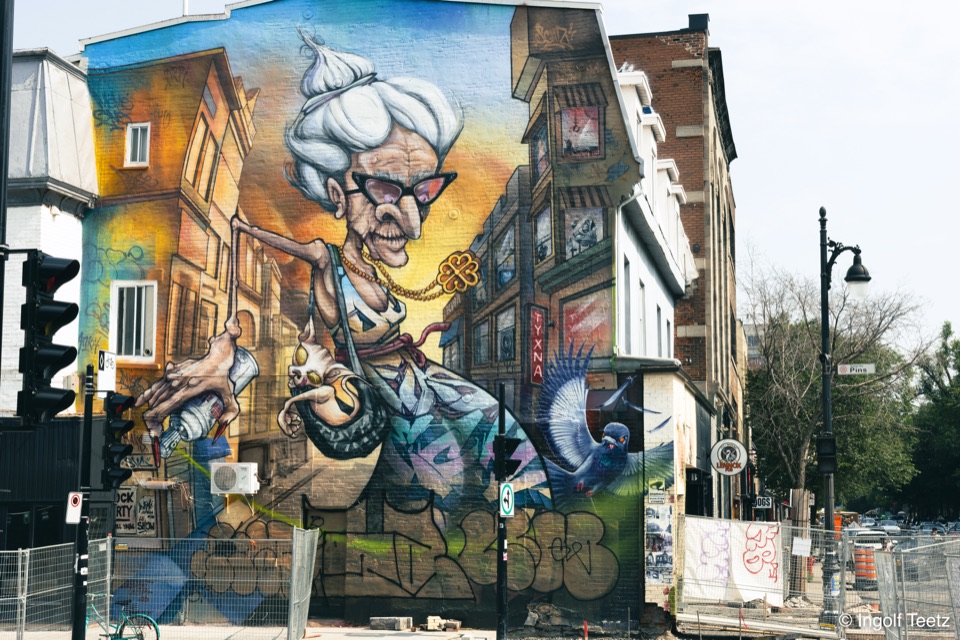
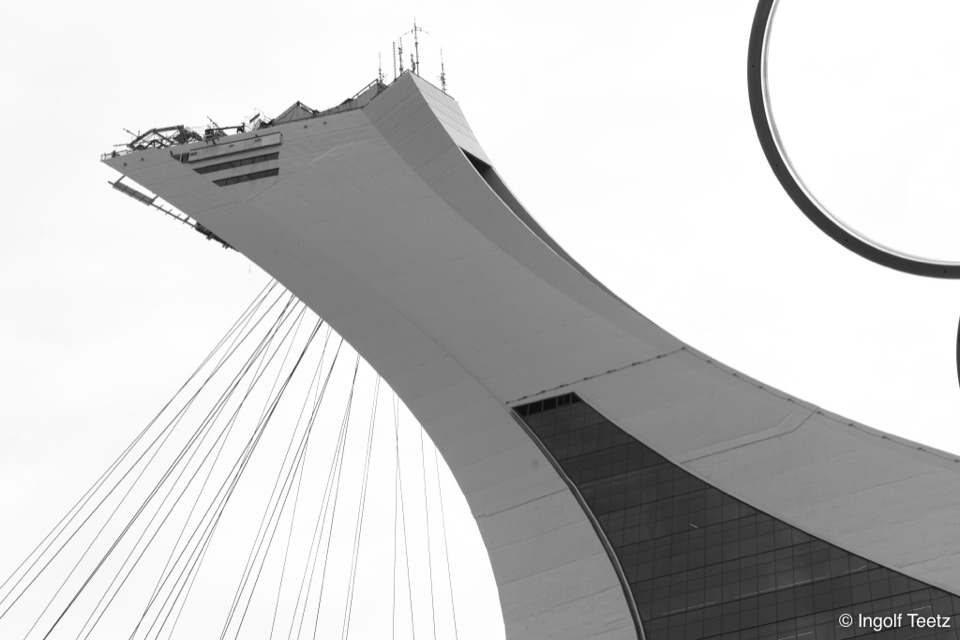
The trip closed with an evening in Montreal — and that one belonged not to the birds but to the walls: the Plateau Mont-Royal is one big open-air gallery, a house-sized mural on every other corner. And for contrast, concrete: the leaning tower of the 1976 Olympic Stadium, almost sculpture in black and white.
The gear: one zoom for (almost) everything
In 2023 the kit was more compact than on the later trips: the Canon EOS R5 with the RF 100-500 mm as the universal telephoto (with the 1.4x extender when needed), the RF 28-70 mm f/2 and RF 70-200 mm f/2.8 for landscapes and city, and a manual 15 mm wide-angle for the night sky. The evening routine was the same as on every trip since: card into the Mac, review the day, file the keepers — today RAWFetcher does that step straight from the card. The 54 images in this album are what three weeks were allowed to leave behind.
More field reports
How the series continued: puffins on Runde, sperm whales in the Azores, grizzlies in British Columbia — all field reports on the blog.